
29/03/2026
Abstract
Natural coral reef (NCR) number is declining tremendously, mainly due to human activities including poison fishing, blast fishing, coral mining, overfishing, and sedimentation, environmental pollution. These impacts degrade food chain security and employment for coastal people, harming to biodiversity and ecosystem. NCR recovery usually takes decades while human activities are continuously thriving. This paradox is going to be severely and requiring the restoration acts more than ever. Artificial Reefs (ARs) deployment is an emerging trend that accelerates NCR restoration and being acknowledged seriously as a shortcut in marine life conservation in many countries. ARs are the structures submerged under seawater to mimic some characteristics of NCRs. Its submersions typically are sea-ground surface, floating, mid-water, or attaching on natural sea-rocks. Many studies indicated the restoring achievements when deploying ARs such as similar fish population, benthic community, food web and nutrient dynamics. In this review, we revisit the AR potentials in NCR restoration, listing out the NCR species have been field-tested and their survival rates, while breakdown the key elements important to NCR transplantation during ARs deployment. Furthermore, the application of 3D printing technology in NCR restoration and ARs potential in tourism were also discussed. Taken together, this review would provide the current insights about ARs potential in NCR restoration, which requires a wise planning before proceeding project.
Keywords: Natural coral reef, Artificial Reef, Restoration, Transplantation, 3D printing technology.
JEL Classification: Q55, Q56, Q57, Q58.
1. INTRODUCTION
Natural coral reefs (NCRs) are being devastated by natural disasters and largely by human overexploitation. Main reasons could be listed out such as poison fishing, blast fishing, coral mining, overfishing, and sedimentation, environmental pollution [1-4]. These exploiting types damages severely food chain security and employment for coastal people, harming to biodiversity and ecosystem [1, 3]. Demands for fish consumption are increasing rapidly due to the world population rising and along with higher living standards [5], which are creating a big pressure on seafood supply management. Despite, NCR recovery usually requires years and this process is continuously disturbed by external factors like sea currents, fishery activities, sedimentation, sea transportations. Artificial Reefs (ARs) are typically defined as any submerged structures that deployed at sea-ground surface, floating, mid-water, or attaching on natural and man-made rocks, in order to protect natural ecosystem and restore marine resources [4]. A large number of evidences showed that ARs deployment results in a wide range of benefits, such as providing additional food and shelter for fish, offering more habitats and breeding spaces, and scaffold for coral larvae settlement [1, 3, 4]. ARs can be made from different materials such as concrete, wood, tires, plastics or steels or natural materials [6-7]. Each of material type has its own pros and cons, and their impacts on coral ecosystem have been documented. Recently, 3D printing technology and newly synthetic materials, which are composed from the available and easy-to-find ingredients, gains the promising achievements in ARs based NCR restoration [6, 8, 9]. 3D printing technology allows customizing ARs in any size or shapes and would be ideal approach for upscaling [10]
At present, the coral transplantation is the main propagation method to rapidly cover the damaged ecosystem [1, 11]. Many species have been tested with coral transplantation successfully [11, 12]. Different coral species would prefer different depth levels, light intensity and response with different survival rates and growing rates. ARs can be combined with NCR transplantation approach to actuate coral reef restoration at small fragment or whole coral colony. However, there are some challenges when transplanting fragments such as the cost for outplanting, labor intensive during monitoring, transport fee, etc. The aim of study is to review the involvement of ARs in NCR restoration, discussing the species capable to ARs support, pointing out some key concerns before proceeding restoration project, 3D printing technology and ARs potentials in tourism may have. Thence, this article would provide the current insights about ARs application in NCR recovery.
2. ARTIFICIAL REEFS POTENTIAL IN CORAL TRANSPLANTATION
2.1. Coral species tested with artificial reefs
Coral transplantation has been proving itself as an efficient tool in NCR restoration and being applied in countries. [3, 4]. Oren & Benayahu tested the idea with juvenile NCRs transplantation [13]. Juvenile NCRs of the stony coral Stylophora pistillata and the soft coral Dendronephthya hemprichi were attached on PVC plates, which were located at 18 m depth or floated vertically 3 m from the water surface (Fig. 1). These are the common natural corals at the area of survey. Various factors such as survivorship rate at specific times after transplant, depth, spatial orientation of the substratum (upper side and lower side), light intensity and sedimentation were evaluated in the study. Results showed that S. pistillata prefers growing at upper side of PVC plate and the survivorship rate increases along with the depth (above 10 m). Moreover, S. pistillata seems grow ameliorative in vertical plates versus to horizontal plates. On the hand, at shallow position (5-10 m depth), soft coral D. hemprichi transplant gains higher survivorship rate in the lower side of PVC plate. Therefore, the type of NCRs is a critical concern when in-situ fragments propagating. Coral species would decide the depth of ARs bedding, and relevant to light intensity. In term of sedimentation, data showed that vertical ARs offer the better condition for the NCR transplant growth and could be a valuable reference for ARs designing process.
Besides, the result also supports the benefits of vertical plate in light intensity and sedimentation rate. Light intensity is critical factor affecting NCRs growth and specific to coral species [14, 15]. Light is important to the photosynthesis from the symbiosis organisms which provides largely the energy for NCRs growth [16]. Oren & Benayahu indicated that the survivorship rate between lower and upper side transplanting is different due to the light-dependency of S. pistillata and upper side would receive more nature light as compared to the lower side of PVC plate. Therefore, it is necessary to survey the light intensity and NCR phototropism at local site before sketching a NCRs restoration plan or transplanting. Furthermore, high sedimentation is believed to negatively impact NCR settlement due to the fouling of sediment to juvenile NCRs, leading to the lower survivorship rate [14-15]. The study indicated that the sedimentation rate increases with the depth and can be various in different seasons of the year. To surmount this issue, vertical plates or structures seems to be the optimal choice, characterized by less sedimentation or adhered by turf-algae, or fewer scrapes caused by sea urchins such as Tripneustes gratilla or Diadema setusum.
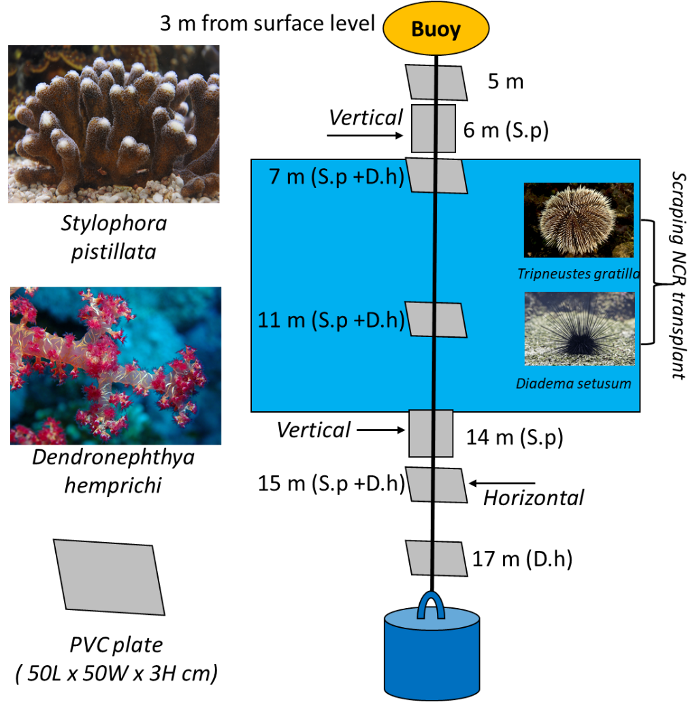
Fig 1: A schematic design of juvenile NCR transplantation [13]
Other evidence further supports the idea of NCR transplantation into AR in large-scale [12]. Several NCR species were deployed into study such as Acropora spp. (branching type), Turbinaria sp. and Montipora sp. (leaf type) (Table 1). Small pieces of such NCRs were fixed on AR limestones arranged as shown in the Fig. 2a. Results showed that the survival rate of all of 196 NCRs after transplant was approximately 97% for over 9 months of survey and 95% for 1.5 years. The study also indicated that leaf type NCR like Turbinaria sp. and Montipora sp. exhibits 100 % survival while for branching type like Acropora spp., which was transported from other location, gains 57% survival rate. This result suggests that NCR small pieces should be collected from the same location restoring, which enhances the survival rate of NCR transplant. In term of growth, evidence showed that there were increment of height and width in all types of NCR surveyed in 1.5 years. Branching type like Acropora spp. exhibits the highest expansion, followed by leaf type Montipora sp. and Turbinaria sp (Table 1).
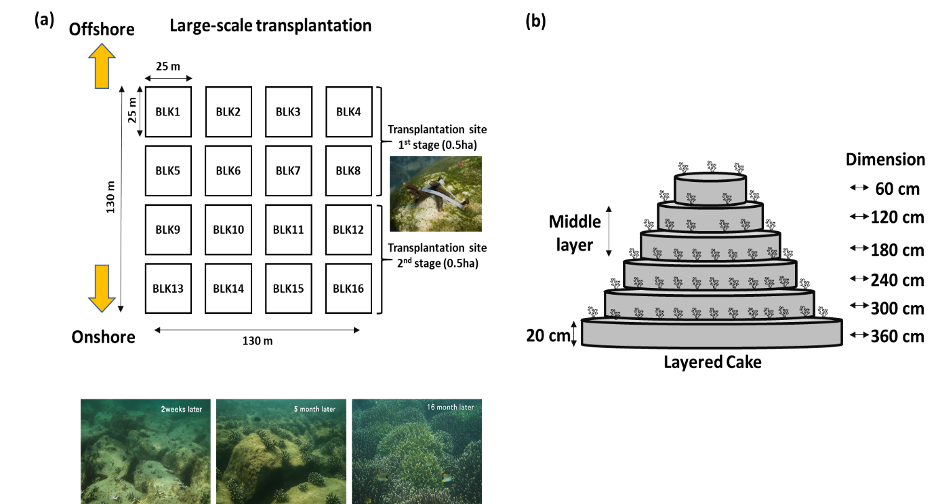
Fig 2: (a) A schematic design of large-scale juvenile NCR transplantation; (b) Layered cake design.
Table 1: Coral genus in transplantation approach
|
Coral genus |
Type of Coral |
Highest Survival rate (%) |
Observation time
|
Study Depth (m) |
Transplanting method |
Note |
Ref. |
|
Acropora sp. |
Branching |
97.5 |
2 years |
2 |
Underwater cement |
|
[11] |
|
57 |
17 months |
0.8 |
Two nails and plastic cable tie |
Acropora nobilis (coral farm) |
[12] |
||
|
50 |
155 days |
3-5 |
Underwater cement |
Acropora aspera |
[18] |
||
|
79 |
7 months |
1-18 |
Transplanting and electrolysis |
Acropora variabilis |
[19] |
||
|
42 |
7 months |
12-18 |
Transplanting and electrolysis |
Acropora squarrosa |
[19] |
||
|
Dendronephthya sp. |
Soft or Carnation |
80-85 |
75 days |
5-7 |
3 months settled on PVC plate |
Dendronephthya hemprichi |
[13] |
|
Diploastrea sp. |
|
75 |
2 years |
2 |
Underwater cement |
|
[11] |
|
Echinopora sp. |
|
50 |
2 years |
2 |
Underwater cement |
|
[11] |
|
Favia sp. |
Massive |
81.1 |
2 years |
2 |
Underwater cement |
|
[11] |
|
Favites sp. |
Massive |
81.4 |
2 years |
2 |
Underwater cement |
|
[11] |
|
Goniopora sp. |
Massive |
40 |
2 years |
2 |
Underwater cement |
|
[11] |
|
28 |
17 months |
0.8 |
Two nails and plastic cable tie |
|
[12] |
||
|
Hydnophora sp. |
|
72 |
2 years |
2 |
Underwater cement |
|
[11] |
|
Leptoria sp. |
|
73.7 |
2 years |
2 |
Underwater cement |
|
[11] |
|
Lobophylia sp. |
|
80 |
2 years |
2 |
Underwater cement |
|
[11] |
|
Montipora sp. |
Leaf |
100 |
17 months |
0.8 |
Two nails and plastic cable tie |
|
[12] |
|
Branching |
Grown then mortal |
55 days |
3-5 |
Underwater cement |
Montipora digitate |
[18] |
|
|
72 |
7 months |
12 |
Transplanting and electrolysis |
Montipora danae |
[19] |
||
|
Pavona sp. |
|
88.2 |
2 years |
2 |
Underwater cement |
|
[11] |
|
71 |
7 months |
1-18 |
Transplanting and electrolysis |
Pavona varians |
[19] |
||
|
Platygyra sp. |
|
82.4 |
2 years |
2 |
Underwater cement |
|
[11] |
|
Pocillopora sp. |
|
30 |
2 years |
2 |
Underwater cement |
|
[11] |
|
34 |
7 months |
1-6 |
Transplanting and electrolysis |
Pocillopora damicornis |
[19] |
||
|
Porites sp. |
Massive |
93.5 |
2 years |
2 |
Underwater cement |
|
[11] |
|
Porites sp. |
Branching |
n/a |
1 year |
3-5 |
Underwater cement |
Porites cylindrica |
[18] |
|
89.5 |
2 years |
2 |
Underwater cement |
|
[11] |
||
|
Stylophora sp. |
Branching |
100 |
2 years |
|
Underwater cement |
|
[11] |
|
65-85 |
50 days |
15-20 |
2 weeks settled in Perforated petri dishes and attached on PVC plate |
Stylophora pistillata |
[13] |
||
|
93 |
7 months |
1-18 |
Transplanting and electrolysis |
Stylophora pistillata |
[19] |
||
|
Turbinaria sp. |
Leaf |
100 |
17 months |
0.8 |
Two nails and plastic cable tie |
|
[12] |
|
Overall |
65.17 |
||||||
Furthermore, the study also figured out that there was a correlation between seawater temperature and NCR growth. Temperature at 30 0C is believed to restore well height and width of NCR transplanted. These data suggest that seawater temperature and local species are very critical for NCR restoration efficiency. However, the high survival rate of NCRs could be feasible in a condition without natural coral predators or natural disturbances (typhoon, underwater earthquakes, volcanic eruptions at the testing location…). Therefore, while planning for NCR transplantation, those environmental factors should be counted in. Moreover, NCR restoration via transplantation might in certain affect the diversity of marine wildlife and this strategy may favor the new fishes and crustacean compatible to NCRs newly transplanted and partially change the microecosystem and diversity at the tested location [17]. However, this study consolidates the idea of NCR restoration by transplanting both in small-scale and large-scale, motivating the environment managing professionals earnestly considering the NCR transplanting as a strategy in marine wildlife restoration.
Munasik et al. compared the growth of branching type NCRs including Acropora aspera, Montipora digitata and Porites cylindrica in the fragment transplantation study using underwater cement (Fig. 2 b) [18]. Result showed that Acropora aspera exhibits the high survival, followed by Porites cylindrica and lowest survival rate is Montipora digitata. In term of growth, Acropora aspera outperforms versus to Montipora digitata and lowest is Porites cylindrica (Table 1). These data are compatible to studies of Onaka et al. and Oren & Benayahu which indicate stony NCRs and Acropora sp. are prominently in restoration rate [12, 13]. Furthermore, the study also indicated that the top and middle layer of ARs represents the higher survival rate compared to the bottom layer. This partially is explained by the differences in light intensity and sedimentation rate between layers and as a result, the survival and growth rate of NCRs perform emergently. Besides, recruited juvenile NCRs such as Montastrea, Porites, Acropora, and Pocillopora Goniastrea, also were found at horizonal and vertical surfaces of APRs at middle layers after 1 year of ARs settlement. This evidence suggests that ARs are not only propagating the selected NCRs, but also could be the scaffolding for NCR larva floating in seawater and enriching the NCR diversity at AR settled locations.
Mwaura et al. tested various natural coral genus in transplantation, which are from branching or massive type [11]. The study showed that Echinopora, Goniopora, Pocillopora seems not suitable to transplantation approach and gain low survival rate as compared to Acropora sp., Stylophora, Porites massive and Porites branching (Table 1). During first 3 months, Mwaura et al. notices that it is necessary to clean regularly the ARs to wipe out the growth of algae, which is believed to negatively impact NCR transplants survival [12, 15]. Moreover, coral cover of ARs tends to be expanded more effectively than natural reefs year over year, resulting in the restoration time might be shorten once transplantation approach is specifically well-surveyed for each location.
Another approach is to use electrolysis principle after transplanting and boost the growth of NCR small fragments [19]. The in-situ electrolysis is literally to deposit minerals (Ca, Mg) from seawater and feasible to the expand of NCR small species (Fig. 3). In breaf, the electrons created at anode from sea water, is deployed to generate hydroxide ion (OH-). The massive flow of hydroxide ion (OH-) consequently conspires with Calcium ion (Ca2+) and Bicarbonate ion (HCO3-) which are available in sea water, forming to Calcium carbonate, and in turns Calcium carbonate is deposited into NCR fragments. Besides, the study also indicated some NCR species such as Stylophora pistillata, Acropora variabilitis, Montipora danae, Pavona varians, maintain the high surviving rates for over 7 months of survey while Pocillopora damicornis and Acropora variabilis exhibits low adapting capacity in fragment transplantation (Table 1). Generally, electrolysis approach allows rapid-tests to screen the coral genus analogized with transplantation method, consequently determines the feasibility of large-scale transplanting. Moreover, there are more advantages of electrolysis method such as inexpensive and recyclable materials (cables, fasteners, anodes, power supply), simple setup, flexible designs according to the shapes of degraded NCR sites.
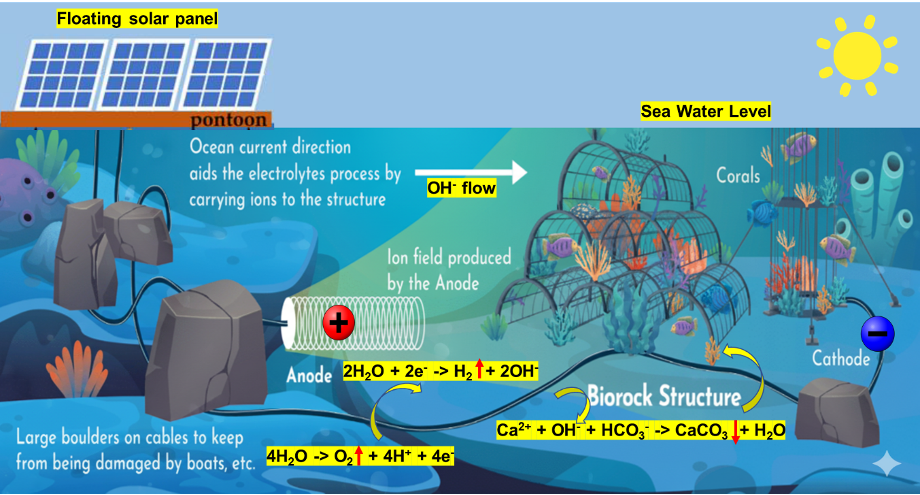
Fig 3: Electrolysis principal for NCR growth. (Adopted and modified from Mlion Corp.)
2.2. Key concerns during ARs based coral transplantation
There are some challenges for transplanting small fragments of NCR onto ARs, should be counted in. Generally, the cost of transplanting is most at rehabilitation steps, with time consuming and labor intensive. To minimize the transport fee of coral outplanting, the natural substrates existing at degraded NCRs location should be deployed and unexpensive attaching methods such as underwater cement, clips, wires, cable-ties, masonry nails…etc., would be feasible choices (Table 1). Moreover, depending on coral species, the monitoring cost must be wisely considered. Faster growing corals like Acropora sp., attaching time might be shorter as a month versus to other species like massive or leaf [15]. In general, monitoring at early stage 3-6-9 months are usually options, followed by yearly monitoring. Eventually, the final goal is to define the transplanted NCRs developed at mature size and itself is able to re-grow the degraded NCR. Furthermore, physical impacts from blast fishing, ship grounding, or coral mining, sea currents are also creating the unstable NCR restoration progress, severely damage to juvenile corals and their settlements. Therefore, site selection is also a key element in NCR transplantation.
Techniques in coral transplantation are also critical, which determines the success of transplantation, mortality and NCR growth [11, 15]. Different stages require different techniques to improve survival rate of NCR. For instance, techniques at nursery stage to keep juvenile corals safe from predation, living space competition, or sedimentation, are must-have once starting propagation. Moreover, co-culturing with small herbivores might be required to control algae growth and improves micro-fragments survival. Processes of ARs production, assembly, transportation, deployment and monitoring are also requiring the trained labors, in attempt to minimize unknown factors harmful to coral fragment survival rate. Those techniques are distinct from each other in each step, resulting in more time expense and cost of project preparation. Monitoring program is another concern. Any signs of stress including bleaching, fragments broken during transplantation, competitive interaction or coral death, would help early estimate survival rate [20]. Accordingly, the NCR restoration requires a well-designed plan, key factors such as site of transplantation, well-trained labors, costs of transporting, monitoring and maintenance, etc., should be meticulous. Any failure might create the collapse of projects at very first steps.
Hylkema et al. analysis reported that a comprehensive monitoring and well planning are critical to sustain ecosystem at Caribbean between 1960 to 2018 [17]. Results indicated that ARs seems to attract more fish densities and species richness, but distinct from NCR. This would lead to a concern about whether ARs introduce non-indigenous species to test-sites and adversely change the marine wildlife composition for 60 years of analysis. Moreover, the study also indicated that fish stocks at surrounding areas intermingle to test-sites and fishers might access to the test-sites without forewarning, and consequently severely impacting the NCR restoration. In general, fishery activities should be an add-on in management program after ARs deployment.
2.3 Materials for ARs production and 3D printing technology
Current methods to restore degraded coral reef are mainly coral transplantation, which requires more efforts in nursery approach to raise up the attachment, survival rate and expansion [1]. Various materials have been used for making ARs, including either synthetic materials such as concrete, plastics, steels, iron or natural-based materials [6, 7]. The common criteria for ARs could typically be acting as a seabed for benthic species growth, serving as a scaffold for coral larvae naturally attaching or supporting the coral fragments growing after transplantation. Furthermore, ARs must stand well under harsh condition like under seawater, avoiding pollution and stable for years during coral restoration. Importantly, the materials must meet the requirements including cost-effective once applied on large-scale and biocompatibility [7].
Concrete is a common material for ARs, simply because of its resistance to under seawater environment and similarity to natural coral rocks. Concrete can be molded in any shape that fits the specific locations and it allows the settlements of benthic microorganisms and coral larvae [7]. Drawbacks of concrete could be pH adaption, cleaning the ARs at the early stage and negative impact on the environment. Recycled tires and plastics are also ARs feasible materials and evidenced with low-cost and effectively supporting corals growth. Nevertheless, this ARs type might be shifted in some circumstances such as the sea currents, or releasing some toxics, creating the threatens onto the marine environment. Metal structures made by steels or iron are also deployed to construct ARs under seawater. The advantages of this ARs type are shape adjustment, available from on-land abandon structures, however, the big limitations are the oxidation progress in harsh condition and the growth of algae, which against to coral recruitment. Moreover, for the big ARs, for examples ships or towers or trucks, can toxify the seawater environment if the pollutants eliminating process are improperly proceeded. Currently, there are a limited evidences for wood ARs, however, low-to-no carbon emission and free of toxicity are notable characteristics.
The researchers continually research on the mix designs of basic materials, including concrete, plastics, metals, wood, ceramic in order to develop an optimal material for ARs, that meets the biocompatibility, low-expense, safe to environment, stability and availability. The technology advantages of 3D printing provide a promising approach to expedite ARs preparation homologically, faster and feasible to any size or shape of designs [6, 8-10]. Besides, during 3D printing process, materials against algae growth might be applied and facilitating coral larvae settlement and growth [21, 22]. Pham & Huang proposed the designed model of ARs from materials like plastics (polypropylene, glass fiber, polyethylene), cement, fly ash and sand, which provides the rough faces, shelter and breeding space for marine wildlife [6]. Generally, features for 3D printing design are classified into voids, crevices and textures [9]. Voids are occupied by large marine creatures like fish (> 10 cm), crevices are useful to juvenile fish or invertebrates (< 10 cm). Textures are responsible for coral recruitment, ascidians or sponges.
Berman et al. suggested the gravity-stimulated printing design method (GSPD), which creates self-lock system AR units, allowing the expansion or stacking of AR as required and transporting onto location as well. Results showed that ceramic AR printed by GSPD attracted fishes, ascidians, invertebrates after 3 months, and there was the coral settlement from S. pistillata, Pocillopora sp. and Dipsastraea sp. after 2 years of deployment. This study is an encouraging result to 3D printing research since ceramic material is inert to chemical reaction, long durability and well recorded with coral larvae recruitment [7, 10].
Besides, polylactic acid (PLA) is an ecological friendly approach, which is believed safely to NCRs and coral fish in some studies [23]. Albalawi et al. have tested the feasibility of PLA to 3D printing based ARs in NCR restoration and compared to both methods, method A is indirect printing via PLA mold, followed by filling with Calcium Carbonate Photoinitiated (CCP) and method B is a direct printing with CCP ink [8]. Method A allows the coral replicates copied accurately from mold, at an efficient rate for large-scale production and provide a simple transport process to specific locations. However, method A shows its cons in larger ARs diameters (≥10 cm), leading to the inconsistency of interior regions of ARs during solidification and consequently causing fragility as placing underwater. Method B skips the mold generation which consequently saves more time, and can be applied for larger objects. Yet, the product resolution printed by method B might be lower than method A. Further analysis indicated that PLA impact is neutral to the live coral fragment after 500 days of observation. Moreover, CCP ink is preliminarily safe to coral fragment growth after 10 days of transplanting and the printed structure is able to tolerant to high salt environment and pH 8.0 in seawater tank condition. Although the test time is short and CCP ink quality for printed objects needs to be renovated, however, this approach potentially expedites the coral restoration, minimizing the coral nurseries or maintenance cost.
2.4. ARs potentials in tourism
Natural Coral Reefs (NCRs) is serving as home and nursing for 25 % marine wild-life, however, they are currently endangered throughout the world by human activities. Evidences show that NCRs growth is threatened by scuba-diving [24]. Considered as a new sport, more and more tourists are integrating this activity into their vacations and most of them are not well understood about the negative effects on NCRs growth. As a consequence, scuba-diving creates a pressure on nature preservation. ARs become an alternative way to balance economy benefits related to scuba-diving tourism and conserving NCRs. Many types of ARs such as ships, vehicles and other large structures like metal constructions, statues and sculptures, could be a replacement for scuba-diving tourism and bringing back the economic benefits [25-27].
The field study in Red Sea, Israel indicates that most divers are sympathetic to the scuba-diving related stress on NCRs and willing to experience large ARs like naval ships or airplanes while less preferentially to small generic ARs such as blocks or pipes [25, 26]. Shani et al. points out the challenges when designing ecotourism related to scuba-diving and those are size factor and specific themes in some certain stories. Furthermore, the study also found that the main motivations for tourism diving are relaxation, special underwater features and learning more knowledge instead of physical activity or adventure [25]. Understanding these findings would facilitate the scuba-diving transition from NCRs to ARs.
However, other study indicates that more divers prefer diving in NCRs than ARs [27]. The main reasons are not enough challenging or lacks wildlife and fakeness, which are not introducing the good themes and experiences to divers. Moreover, unprofessional ways of diving like touching, flipping or leaning onto ARs are also problematic to ARs maintenance. Therefore, educating divers about ARs positive impacts and campaigns for ARs diving encouragement are critical to compensate the environmental negative effects of diving. Next, the safety of divers during ARs is also a great concern. Moreover, ARs subjects should be clean from toxic materials and safe to food-chain cycle. Such challenges are great barriers for ARs deployment in ecotourism.
Another study indicated that different reef types may result in different wildlife communities residing [28]. Metal ships and concrete pipes, reef balls, Atlantic pods were deployed in the study and results showed that there was indifferent between natural rocky coral reef versus to concrete pipes, reef balls, Atlantic pods regarding to fish abundance, biomass and community composition, while metal ship leverages the fish abundance, biomass with different community. This partly explains that the footprint and complexity of structures of ARs might recruit different wildlife residing, and therefore it is necessary to wisely evaluate the location-specific structures, wildlife community and the goal of restoration as well before ARs deployment.
3. CONCLUSION
The degradation of NCRs is occurring drastically, mainly caused by the human activities. This threat creates the huge challenges to preserve, restore and expand the current NCRs. Many efforts are be conducting such as propagating coral micro-fragments, designing the ARs acts as a scaffold attaching micro-fragments during nursery steps, or ARs purely assists the habitats for marine lives and coral larvae recruitment. Furthermore, scientists are actively innovating the new materials which are safe to the marine environment, sustainable and biodegradable, for instance 3DP CCP ink. At very first stages, currently, the expenses for 3DP based ARs are costly, however, once advanced findings are explored, the 3DP market would be a robust growth since its sustainable potentials in CO2 emission, safe materials, labor and maintenance cost. Furthermore, ARs can be used as an attractive spot for tourism, diminishing the stress on NCRs, which are under severe threaten. Ultimately, propaganda about NCR protection is necessary to widely deployed, via educations, tourism and sustainable fishery activities.
Truong Thi Dieu Hien1, Tran Thi Ngoc Mai1*
1Ho Chi Minh City University of Industry and Trade
REFERENCES
1. Shokry, M., and A. Ammar. Coral Reef Restoration and Artificial Reef Management, Future and Economic. The Open Environmental Engineering Journal, 2009. (2): p. 37-49.
2. Komyakova, V., et al., Assessing the performance of artificial reefs as substitute habitat for temperate reef fishes: Implications for reef design and placement. Science of the Total Environment, 2019. (668): p. 139–152
3. Bao, H., et al., Evolution Trends and Future Prospects in Artificial Marine Reef Research: A 28-Year Bibliometric Analysis. Sustainability, (2025). 17(1): p, 1-29.
4. Nguyen, L.T., P.D. Tran, K.Q. Nguyen. An effectiveness of artificial coral reefs in the restoration of marine living resources. Regional Studies in Marine Science, 2022. (49) 102143.
5. Layman, C.A., J. E. Allgeier. An ecosystem ecology perspective on artificial reef production. Journal of Applied Ecology, 2020. 57 (11): p. 2139-2148.
6. Pham., L.T. and J. Y. Huang. 3D printed artificial coral reefs: design and manufacture. Low-carbon Materials and Green Construction, 2024. 2(23): p. 1-14.
7. Ozanam, B., P. Romans, and R. Lami. Choosing the right substrate to restore coral reefs through artificial reef construction: a mini-review. Blue Biotechnology, 2025. 2(24).
8. Albalawi, H.I., et al., Sustainable and Eco-Friendly Coral Restoration through 3D Printing and Fabrication. ACS Sustainable Chem. En, 2021. 9 (37): p. 12634–12645.
9. Berman O., et al., Design and application of a novel 3D printing method for bio-inspired artificial reefs. Ecological Engineering, 2023. (188) 106892.
10. Levy, N., et al., Emerging 3D technologies for future reformation of coral reefs: Enhancing biodiversity using biomimetic structures based on designs by nature. Science of The Total Environment, 2022. (830) 154749.
11. Mwaura, J.M., et al., Artificial reef structures and coral transplantation as potential tools for enhancing locally-managed inshore reefs: a case study from Wasini Island, Kenya. WIO Journal of Marine Science, 2022. 21 (2): p.83-94
12. Onaka S., et al., Large-scale coral transplantation in artificial substrates at a shallow lagoon in Kuta Beach, Bali, Indonesia. Galaxea, Journal of Coral Reef Studies, 2013. (15): p. 336-342
13. Oren U. and Y. Benayahu. Transplantation of juvenile corals: a new approach for enhancing colonization of arti®cial reefs. Marine Biology, 1997. 127: p. 499-505.
14. Spieler, R.E., D. S. Gilliam and R. L. Sherman. Artificial substrate and coral reef restoration: what do we need to know to know what we need. Bulletin of marine science, 2001. 69(2): p. 1013–1030.
15. Edwards, A., J. Guest, A. Humanes. Rehabilitating coral reefs in the Anthropocene. Current Biology, 2024. 34: p.356–417.
16. Roth, M.S. The engine of the reef: photobiology of the coral–algal symbiosis. Front Microbiol, 2014. 22 (5): 422, p. 1-22.
17. Hylkema, A., et al., Artificial reefs in the Caribbean: A need for comprehensive monitoring and integration into marine management plans. Ocean and Coastal Management, 2021. (209) 105672.
18. Munasik et al., Reef Development on Artificial Patch Reefs in Shallow Water of Panjang Island, Central Java. IOP Conference Series: Earth and Environmental Science 2017. (116) 012095.
19. van Treeck P. and H. Schuhmacher. Artificial Reefs Created by Electrolysis and Coral Transplantation: An Approach Ensuring the Compatibility of Environmental Protection and Diving Tourism. Estuarine, Coastal and Shelf Science, 1999. 49: p.75-81.
20. Cummings, K., et al., Coral Growth Assessment on an Established Artificial Reef in Antigua. Ecological Restoration, 2015. 33 (1): p. 1-7.
21. Levy N., et al., Microbial living materials promote coral larval settlement. PNAS Nexus, 2025. 4(9): p. 1-11.
22. Kundu, S., et al., Biomimetic chemical microhabitats enhance coral settlement. Trends in Biotechnology, 2025. 43 (9): p. 2232-2250.
23. Hussain M., S.M. Khan, M. Shafiq. A review on PLA-based biodegradable materials for biomedical applications. Giant, 2024. (18) 100261.
24. Lamb, J.B., et al., Scuba diving damage and intensity of tourist activities increases coral disease prevalence. Biological Conservation, 2014. (178): p. 88-96.
25. Shani, A., O. Polak, and N. Shashar. Artificial Reefs and Mass Marine Ecotourism. Tourism Geographies, 2012 14(3): p.361–382.
26. Tynyakov, J., et al., Artificial reefs as a means of spreading diving pressure in a coral reef environment. Ocean & Coastal Management, 2017. 149: p. 159-164
27. Firth, L.B., et al., Make a difference: Choose artificial reefs over natural reefs to compensate for the environmental impacts of dive tourism. Science of the Total Environment, 2023. 901 165488
28. Lemoine, H.R., et al. Selecting the optimal artificial reefs to achieve fish habitat enhancement goals. Biology Conversation, 2019. (238) 108200.