
11/12/2025
The annual United Nations Climate Change Conference (UNFCCC COP) stands as the world's most critical multilateral platform for addressing the climate crisis, bringing together nearly every nation on Earth to forge a collective path forward. The 2025 UN Climate Change Conference (UNFCCC COP 30) convened in November 2025 in Belém, Brazil. It included the 30th session of the Conference of the Parties (COP 30), the 20th meeting of the COP serving as the Meeting of the Parties to the Kyoto Protocol (CMP 20), and the seventh meeting of the COP serving as the Meeting of the Parties to the Paris Agreement (CMA 7), as well as the 63rd sessions of the Subsidiary Body for Scientific and Technological Advice (SBSTA 63) and the Subsidiary Body for Implementation (SBI 63) also met.
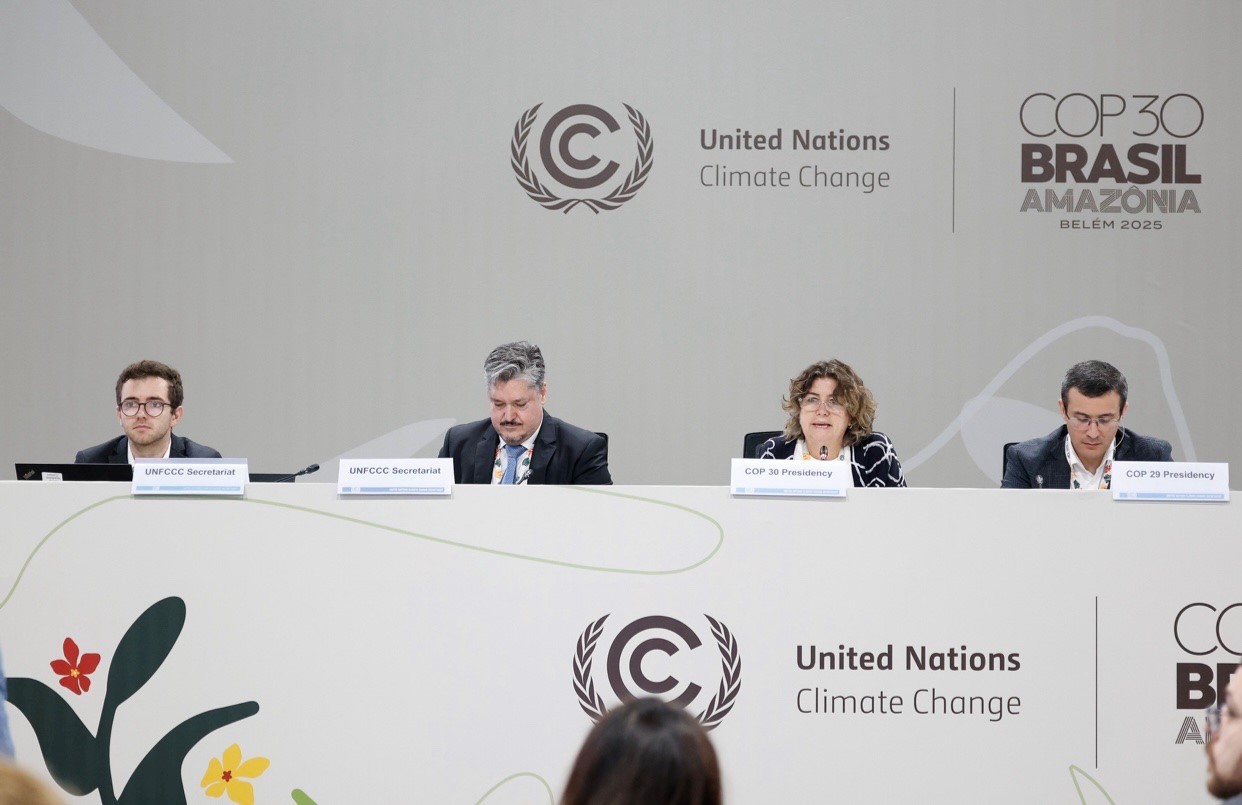
The annual United Nations Climate Change Conference
This conference was not merely another negotiating session; it was widely anticipated as the "Implementation COP". Following the conclusion of the first Global Stocktake (GST) at COP 28, which clearly identified the devastating gap between current climate action and the Paris Agreement’s goal of limiting warming to 1.50C the urgency shifted from setting goals to delivering concrete, transformative action. COP 30 was intended to translate the GST’s findings, specifically the call to transition away from fossil fuels, triple renewable energy capacity, and double energy efficiency by 2030 into national policy and accelerated deployment on the ground.
1. The global stocktake and the implementation imperative
The mandate for COP 30 was fundamentally shaped by the first Global Stocktake. The GST confirmed, unequivocally, that the world is dramatically off-track. The collective ambitions reflected in Nationally Determined Contributions (NDCs) were insufficient, and implementation lags far behind. Therefore, a core mission in Belém was to mobilize action to bridge this implementation gap.
The Presidency of Brazil articulated a clear vision built on three pillars: strengthening multilateralism and cooperation, connecting the climate agenda to the people and the real economy, and accelerating implementation of the Paris Agreement. This focused approach aimed to foster a sense of shared responsibility, moving beyond the traditional North-South divide by emphasizing universal challenges and the co-benefits of climate action.
2. The Ambition test: Bridging the NDC gap
A crucial stress test for COP 30 revolved around the expected submission of new or updated Nationally Determined Contributions (NDCs), often dubbed NDC 3.0s, which were mandated to reflect significantly increased national ambition for the critical 2035 timeframe. These revised NDCs, intended to align with the outcomes of the Global Stocktake, were scrutinized for their fidelity to the 1.50C pathway. While several developed economies and a notable number of emerging markets, motivated by the economic opportunities in green technology, arrived with strengthened mid-term targets specifically committing to deeper cuts by 2035 and introducing sectoral decarbonization roadmaps, the collective volume of these new NDCs was reported by the UNFCCC Secretariat to still fall short. Analysis indicated that the aggregate emission reductions pledged would likely stabilize global warming closer to 1.80C rather than the preferred 1.50C limit, signaling a persistent and dangerous "ambition gap." This shortfall necessitated a stronger, collective push on implementation and finance, leading to the launch of the Global Implementation Accelerator and the "Belém Mission to 1.5," which sought to provide immediate technical and policy support to translate existing NDC promises into accelerated, demonstrable action on the ground.
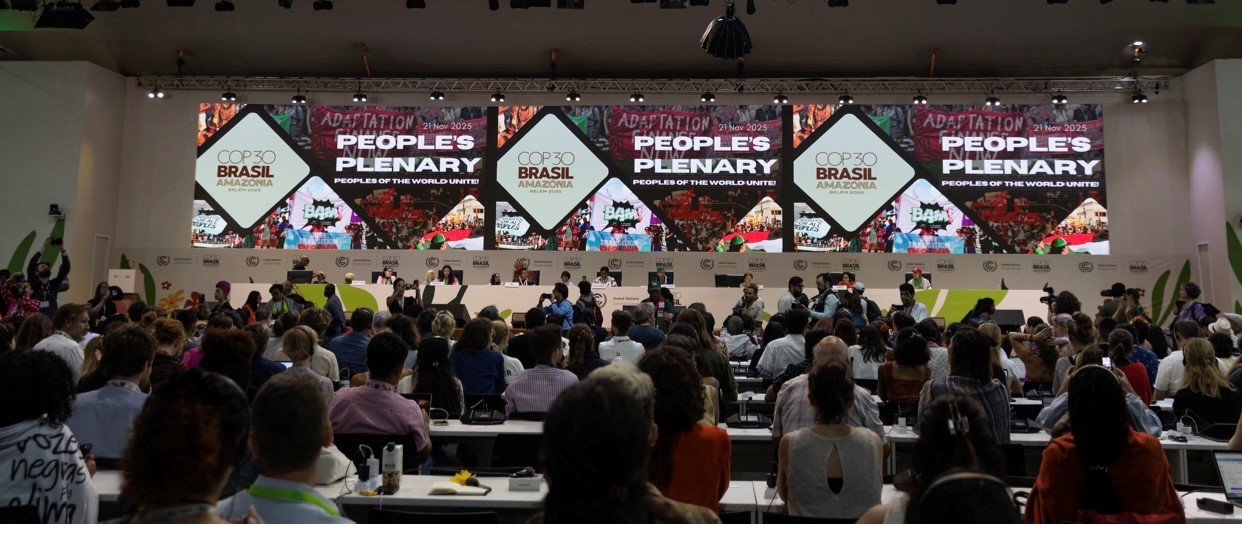
COP 30 saw the largest-ever gathering of Indigenous Peoples and local community representatives at a climate summit
In response to this shortfall, the conference launched the Global Implementation Accelerator and the "Belém Mission to 1.5". These initiatives aimed to provide tailored technical, financial, and policy support to countries to expedite the planning and execution of their NDCs and National Adaptation Plans (NAPs), ensuring that climate plans are not just documents but blueprints for rapid, real-world change.
3. A focus on system-wide transformation
The agenda of COP 30 was structured around a series of thematic days designed to drive system-wide transformation across key sectors. This pragmatic approach acknowledged that climate action must be integrated into the fundamental workings of the global economy and society.
Energy, Industry, and Transition
Following the landmark agreement at COP 28, discussions in Belém zeroed in on the practical roadmaps for the transition away from fossil fuels. The focus shifted heavily towards tripling renewable energy capacity and doubling energy efficiency by 2030. Key outcomes included multilateral agreements to accelerate the expansion and resilience of power grids and to invest in zero- and low-emission technologies for hard-to-abate sectors like steel, cement, and heavy transport.
The debate on carbon markets also saw renewed attention, with the launch of an Open Coalition on Compliance Carbon Markets aimed at establishing stronger global governance, enhancing market integrity, and preventing greenwashing. This was a critical step in ensuring that market mechanisms effectively drive deep decarbonization, rather than serving as loopholes for business-as-usual emissions.
The Amazonian Context: Nature and Biodiversity
Hosted on the edge of the Amazon, the connection between climate change and nature was unavoidable. The conference elevated the discussion on Forests, Oceans, and Biodiversity to a primary position. Brazil's proposed "Tropical Forests Forever Facility" (TFFF), a public-private financing mechanism intended to prevent the loss of tropical forests was a central point of discussion, aiming to provide a model for large-scale, sustainable conservation finance that rewards forest countries for the ecosystem services they provide to the world.
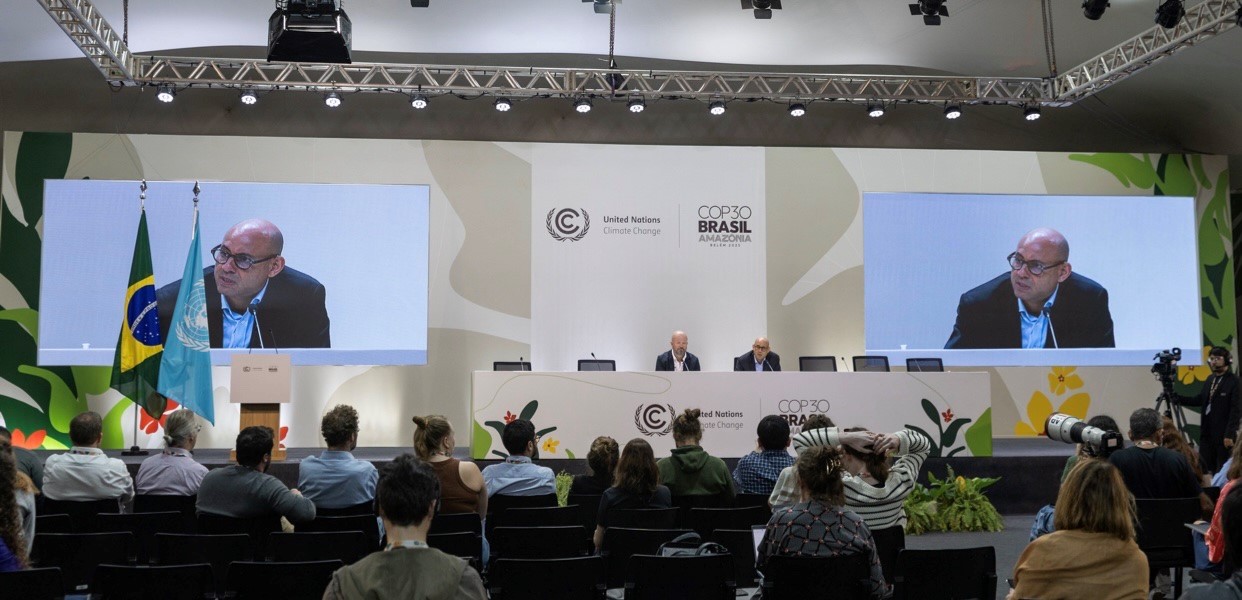
COP 30 was not merely another negotiating session; it was widely anticipated as the "Implementation COP"
Furthermore, COP 30 saw the largest-ever gathering of Indigenous Peoples and local community representatives at a climate summit. Their voices underscored the vital role of traditional knowledge and secure land rights in effective forest conservation and climate adaptation. Brazil's announcement of the creation of new Indigenous territories during the conference was a concrete measure that acknowledged this critical link.
Climate Justice, Finance, and Equity
In a world increasingly marred by geopolitical tensions and rising inequality, climate finance and justice emerged as the most politically charged and defining themes of COP 30. The principle of equity, fairness in burden-sharing and support, was the foundational test for the conference's success.
Adaptation and Loss and Damage
A significant achievement was the momentum gathered around adaptation finance. Recognizing that vulnerable nations are already experiencing devastating climate impacts, COP 30 secured a new collective target to triple finance for climate adaptation globally by 2035. This was a crucial commitment to help communities build resilience against current and future impacts.
Furthermore, the operationalization and capitalization of the Loss and Damage Fund saw important, albeit still insufficient, progress. While significant pledges were made, the total committed capital still fell far short of the estimated annual needs of developing countries facing irreversible climate destruction. The conference, however, took a procedural step by launching the fund's first call for funding requests, a move towards translating pledges into actual support.
The New Collective Quantified Goal (NCQG) on Finance
The ongoing negotiations for the New Collective Quantified Goal on Climate Finance (NCQG), the post-2025 financial target to replace the expired $100 billion goal, were a central, difficult, and ultimately unresolved, element. Developing countries stressed that the new goal must be in the trillions, reflecting the true cost of their energy transition and adaptation needs, and must shift the ratio from predominantly loans to grants. The Baku-to-Belém Roadmap to 1.50C presented by the Presidencies, sought to lay the groundwork for how various sources of finance, public, private, and multilateral development banks (MDBs) could be better leveraged and aligned to meet this massive requirement. The outcome here was a recognition of the scale of the need, but a deferral of the final, politically charged number.
4. The Just Transition at COP 30: A Landmark for Rights and Equity
COP 30 strongly emphasized the social dimension of climate action, rallying around a Just Transition Action Plan. This initiative placed people at the center of the energy transition, focusing on ensuring decent work, protecting the rights of workers and communities, and addressing the inequalities exacerbated by climate change. The conference also introduced a Global Ethical Stocktake, aimed at reinforcing the moral and ethical responsibility in climate governance and ensuring that the transition is truly equitable and inclusive.
The discourse surrounding The Just Transition (JT) reached a critical inflection point at COP 30 in Belém, Brazil, culminating in the establishment of a formal Just Transition Mechanism (JTM). This outcome is highly significant because it moves the JT from being a merely aspirational concept, often relegated to the preambular text of UNFCCC decisions, to an institutionalized mandate with defined objectives. The core achievement, sometimes termed the Belém Action Mechanism (BAM), is its grounding in a robust rights-based approach. This means the mechanism explicitly mandates the integration of respect for, promotion of, and fulfillment of human rights and international labour rights including the creation of decent work, social protection systems, and skills development across all climate action pathways.
Furthermore, the decision marked a major advance by unequivocally recognizing the rights of Indigenous Peoples, specifically referencing the need to secure Free, Prior, and Informed Consent (FPIC) in transitions affecting their lands and resources, thereby linking climate justice directly to territorial rights. Strategically, the COP 30 text positions the JT not merely as a mitigating factor for negative economic impacts, but as an accelerator for ambitious climate action, requiring the concept to be deeply embedded in both mitigation and adaptation efforts outlined in national instruments like NDCs and NAPs. However, the landmark victory remains precarious due to a crucial omission: the Financing Gap. Despite establishing a mechanism that requires massive societal and economic restructuring, the final decision failed to secure concrete, dedicated, and predictable public finance to operationalize the JTM, particularly for developing countries. This lack of financial commitment, coupled with the absence of a strong, explicit political commitment to a mandatory fossil fuel phase-out in the decision text itself, presents the most significant implementation challenge, raising concerns that the mechanism could become a symbolic framework without the necessary resources to deliver genuine equity and justice on the ground.
5. Looking Ahead: The Belém Legacy” in COP 30
The conclusion of COP 30, while perhaps not delivering a clear, definitive breakthrough on all fronts, solidified the fundamental directions for the global climate regime through the Belém Political Package, marking a definitive shift toward an era of accelerated implementation and integrated action. The conference successfully reasserted the necessity of multilateralism and cooperation, even amid turbulent geopolitical waters, demonstrating that complex international engagement remains the singular viable path to addressing the climate crisis. The true and lasting legacy of COP 30, however, lies in its deliberate emphasis on integration, inclusion, and a geographic imperative. By hosting the conference in the Amazonian city of Belém, the world was forcefully confronted with the reality that effective climate action is inextricably linked to forest protection, biodiversity conservation, and the recognition of the rights of Indigenous Peoples and local communities who are the guardians of these critical ecosystems. The discussions catalyzed a deeper understanding of the land-use sector as a cornerstone of the 1.50C goal, moving it beyond a purely energy-focused conversation. Crucially, the outcome cemented the Just Transition concept, moving it from aspirational language to a newly established, rights-based institutional mechanism, recognizing that no climate solution can be effective or sustainable without addressing issues of social justice and equity, particularly through the lens of human rights and decent work. The challenge now pivots decisively from the agreement of principles to the relentless, accelerated execution of these plans. The road from Belém, leading toward the next major review cycles, specifically demands an unprecedented political will paired with a revolutionary mobilization of climate finance, especially for adaptation and loss and damage, to adequately support the most vulnerable nations. In sum, COP 30 served as a profound and indelible reminder that the fight for a 1.50C world is, fundamentally, a fight for justice, equity, and the preservation of our planet's most vital carbon sinks and ecosystems, confirming that the fate of the Amazon and the global climate are inextricably linked, and that the arduous work of transforming political promise into tangible reality has only just begun.
Nhâm Hiền
(Source: The article was published on the Environment Magazine by English No. IV/2025)
REFERENCES
1. https://climate-diplomacy.org
2. https://unfccc.int/